What is Autism Meltdown: Stages, Triggers & How to Support Effectively
What is Autism Meltdown: Stages, Triggers & How to Support Effectively An autism meltdown isn’t a tantrum or an act of defiance; it’s an overwhelming
We are open on Saturdays now! | We are doing Virtual Appointments. | Most HMO Plans Accepted.


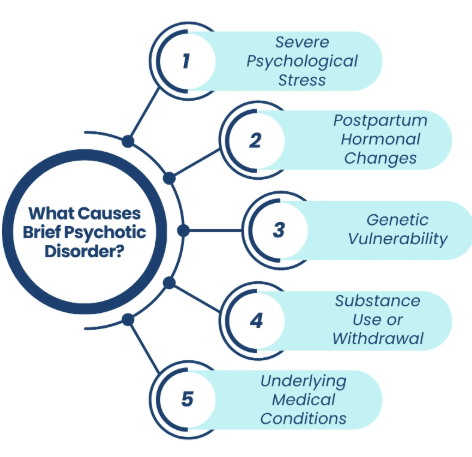
There’s no single cause behind Brief Psychotic Disorder, but several known triggers and contributing factors can bring on a psychotic break. Some of the most common include:
1. Severe Psychological Stress
2. Postpartum Hormonal Changes
Some women experience brief psychotic symptoms shortly after childbirth, known as postpartum psychosis. This can occur even without a prior history of mental illness.
3. Genetic Vulnerability
If you have a family history of psychotic disorders or severe mood disorders, you may be more susceptible to experiencing a brief psychotic break under stress.
4. Substance Use or Withdrawal
Use of drugs like LSD, amphetamines, or even alcohol withdrawal can spark temporary psychosis in vulnerable individuals.
5. Substance Use or Withdrawal
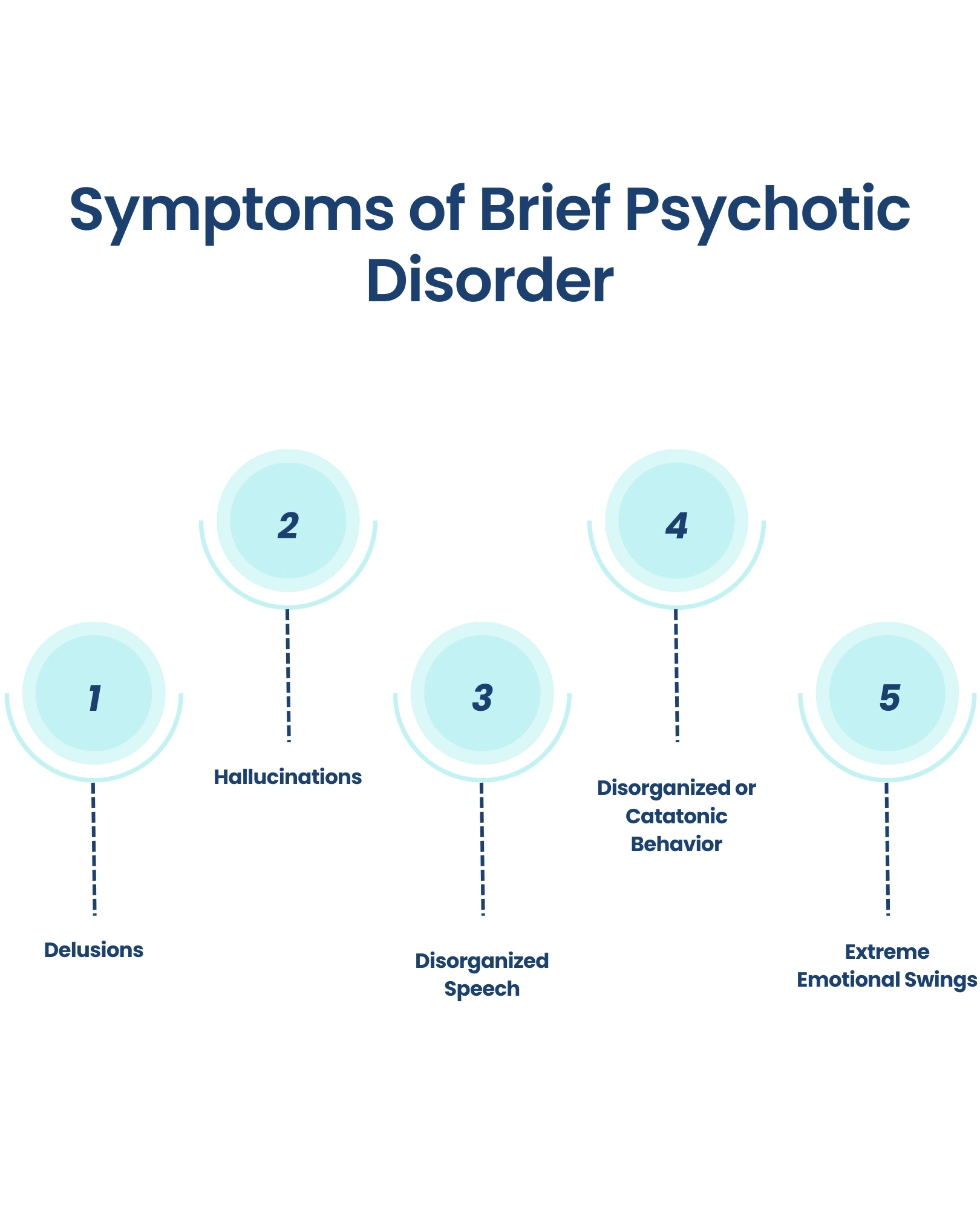
These symptoms mark a psychotic episode, and while they can be terrifying, they are typically short-lived and reversible with the right support.
Although Brief Psychotic Disorder is short-term, treatment is still crucial—for safety, symptom management, and prevention of future episodes. The good news is that with timely care, most people make a full recovery.
Doctors may prescribe low doses of antipsychotic drugs (like risperidone or olanzapine) to reduce delusions and hallucinations during the acute phase of the psychotic episode.
2. Therapy and Counseling
Psychotherapy, especially cognitive behavioral therapy (CBT), helps patients process the experience and develop coping strategies to prevent future psychotic breaks.
In severe cases where the person poses a risk to themselves or others, short-term hospitalization ensures safety and stabilizes symptoms.
4. Stress Management & Lifestyle Support
Condition | Duration | Recovery | Trigger | Core Symptoms |
Brief Psychotic Disorder | 1 day to 1 month | Full recovery expected | Often stress-related | Delusions, hallucinations |
Schizophrenia | 6 months or more | Chronic with management | Not always clear | Psychosis, flat affect |
Schizoaffective Disorder | Varies | Chronic with mood episodes | Mood episodes + psychosis | Mood + psychotic symptoms |
If you or someone you know shows signs of a psychotic disorder or psychotic break, don’t wait; early intervention is key, and for expert treatment, get in touch with Faith Behavioral Health. Whether it’s stress, trauma, or something else triggering it, help is available and recovery is within reach.
Remember: Mental health conditions are not a personal failing. They’re medical conditions that deserve compassion, care, and expert attention.
What is Autism Meltdown: Stages, Triggers & How to Support Effectively An autism meltdown isn’t a tantrum or an act of defiance; it’s an overwhelming

What is Psychosocial Rehabilitation? Psychosocial rehabilitation (PSR) is an evidence-based therapeutic approach that aims to help individuals with severe mental illnesses, such as schizophrenia or

What is Depersonalization? A Journey to Cure Depersonalization In mental health, the term “depersonalization” carries a weight that only those who have experienced it can

As a skilled psychiatrist, I specialize in preventing, diagnosing, and treating mental health issues, emotional disorders, and psychotic conditions. Drawing on diagnostic laboratory tests, prescribed medications, and psychotherapeutic interventions, I strive to provide comprehensive and compassionate care for my patients in Frisco and McKinney, Texas, while assessing their biological, psychological, and social components of illnesses. I am committed to helping them achieve healthier and more fulfilling lives through my work.