How a Psychiatrist Can Help You Find the Right Mental Health Medication
How a Psychiatrist Can Help You Find the Right Mental Health Medication To treat mental health disorders successfully, skillful expertise and an appropriate toolbox are
We are open on Saturdays now! | We are doing Virtual Appointments.
Struggling with a skin-picking disorder can feel overwhelming, but you’re not alone, and help is available. Understanding what triggers this behavior, recognizing the signs, and learning practical strategies are the first steps toward reclaiming control over your skin and your life. From identifying emotional or environmental triggers to exploring proven therapeutic approaches, we provide actionable solutions that work. Take the first step toward healthier habits and lasting relief today.
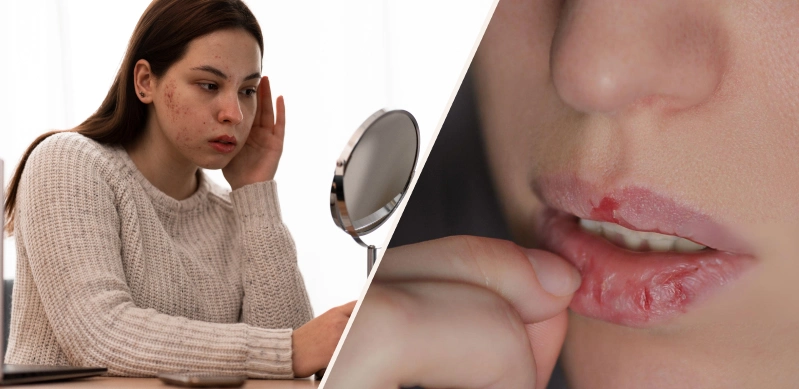
Skin picking disorder, clinically known as excoriation disorder or dermatillomania, is a mental health condition characterized by the repetitive, compulsive urge to pick, scratch, dig at, or rub one’s own skin often to the point of causing bleeding, wounds, infection, and permanent scarring. It is far more than a nervous habit or bad grooming ritual.
What separates skin-picking disorder from casual skin picking is the defining feature of loss of control. People with this condition frequently report picking without full awareness, entering a near-trance state, and feeling significant distress, shame, or functional impairment as a result. Importantly, the picking is not driven by a wish to improve appearance or remove a perceived cosmetic flaw (which would suggest body dysmorphic disorder).
Skin picking disorder is far more prevalent than most people, including many doctors, realize. The stigma and secrecy surrounding it mean millions suffer in silence, never connecting their behavior to a recognized, treatable mental health condition.
of adults are affected at any given time
of those diagnosed are female
ever seek any form of treatment
typical age of onset (years)
Perhaps the most troubling statistic is that only about 45% of individuals with skin-picking disorder ever seek treatment, largely due to feelings of shame, a belief that the behavior is “just a bad habit,” or a complete lack of awareness that an evidence-based treatment even exists. This is the information gap this guide is designed to close.
Recognizing skin-picking disorder symptoms early is crucial. The condition is chronic and tends to intensify without intervention. Symptoms span both behavioral and psychological domains, and they often reinforce each other in a difficult-to-break cycle.
Repetitive, Compulsive Picking Picking at healthy skin, pimples, scabs, calluses, or minor irregularities repeatedly and with great difficulty stopping. | Time Consumption Episodes can last anywhere from a few minutes to several hours. Many people report “coming to” after losing track of time entirely. | Use of Tools Some individuals use tweezers, pins, or other implements to pick more precisely or deeply, increasing the risk of serious injury. | Ritualistic Behavior Searching for specific types of skin imperfections, picking in a particular sequence, or examining and sometimes ingesting what was removed. |
The physical hallmarks of skin picking disorder include open wounds and cuts that fail to heal because they are repeatedly reopened, visible scabs and crusting across commonly targeted areas (face, arms, scalp, back, legs), persistent scarring and discoloration, and, in more severe cases, infections requiring medical treatment.
Before picking, individuals often experience a building sense of tension, anxiety, or restlessness. During the act, there is often a dissociative, trance-like calm. Afterward comes the predictable crash: guilt, shame, embarrassment, and heightened anxiety emotions that, paradoxically, can trigger another cycle of picking. Many people go to significant lengths to conceal picked areas with clothing, makeup, or by avoiding social situations altogether, compounding feelings of isolation.
There is no single, definitive cause of skin picking disorder; it results from a combination of genetic, neurological, psychological, and environmental factors.
Neurological Factors
Genetic Predisposition
Co-occurring Mental Health Conditions
The Addiction-Like Feedback Loop
Triggers are the immediate factors that activate skin-picking episodes, and they differ from person to person. Understanding them is essential for effective treatment, as they work alongside underlying causes to drive the behavior. Common triggers include emotional states, physical sensations, environmental contexts, and skin-related issues.
Stress and anxiety are the most common emotional drivers. Picking often provides temporary relief from overwhelming feelings and creates a brief sense of control.
For some individuals, the behavior is driven by physical sensations such as the feel of a bump or scab. This type of picking is often automatic and may occur without conscious awareness.
Certain settings and situations, such as being alone, bored, or in front of a mirror, can increase the likelihood of picking. Unstructured time and late-night hours also play a role.
Conditions like acne, eczema, or even normal healing scabs can act as direct triggers, making it difficult to resist the urge to pick.
No single strategy works for everyone, and willpower alone is categorically insufficient. What does work is a combination of self-awareness, behavioral substitution, environmental modification, and professional support.
The first step is tracking triggers through an awareness log, which helps identify patterns like specific times, places, or emotional states that lead to picking. This makes it easier to intervene early.
Physical barriers can also reduce episodes. Tools like hydrocolloid patches, gloves, short nails, and modifying environments (e.g., dimming mirrors, removing tools) help limit both access and temptation.
Replacing the behavior is equally important, using alternatives like fidget tools, textured objects, or stress balls to satisfy the sensory or emotional urge safely.
Stress management and mindfulness practices help by increasing awareness of urges and creating a pause between feeling and action, allowing more control over responses.
Self-compassion is also essential, as shame and self-criticism often worsen the cycle. A non-judgmental approach supports long-term recovery more effectively than guilt.
Finally, accountability and support from trusted individuals or support groups can significantly improve outcomes by providing encouragement, awareness, and consistency.
Self-help strategies are helpful, but for moderate to severe skin-picking disorder, professional treatment leads to significantly better outcomes. Evidence-based therapies such as Cognitive Behavioral Therapy (CBT), Habit Reversal Training (HRT), the Comprehensive Behavioral Model (ComB), and medication support are clinically proven to reduce symptoms and improve control.
These treatments address both the psychological triggers and behavioral patterns behind the disorder, making recovery more structured and sustainable. Cognitive Behavioral Therapy (CBT), Habit Reversal Training (HRT), ComB, and medication-based approaches are commonly used clinical treatments for skin picking disorder.
You can explore professional treatment for skin picking . Among these, HRT is considered the gold standard, while CBT and ComB provide deeper emotional and behavioral restructuring tailored to individual needs. Medication may also support treatment when combined with therapy for better results.
Skin picking disorder is generally considered a chronic condition, meaning it may not be completely “cured” in the traditional sense. However, with the right treatment and coping strategies, many people can achieve long-term remission where symptoms are minimal or do not significantly affect daily life. Progress is highly achievable, especially with early and consistent intervention.
Skin picking disorder is a real, recognized, and treatable mental health condition, not a matter of willpower, bad habits, or simply something to “get over.” It affects millions of people across all backgrounds, yet many continue to suffer in silence due to stigma and limited awareness that effective treatment is available.
Understanding what causes skin picking disorder and recognizing your personal triggers is not just informational; it is the foundation for meaningful and lasting change. You can learn more about professional support and treatment at Faith Behavioral Health. The goal is not to eliminate every urge, but to build the skills, support, and self-compassion needed to live fully and confidently despite them.

How a Psychiatrist Can Help You Find the Right Mental Health Medication To treat mental health disorders successfully, skillful expertise and an appropriate toolbox are

What is Sensory Stimulation? Exploring Its Benefits for Alzheimer’s & Cognitive Health Imagine a world where the familiar sound of a favorite song, the comforting
How Long Does Grief Last? Grief is an emotional journey that touches us all at some point in our lives. Whether it’s the loss of
As a skilled psychiatrist, I specialize in preventing, diagnosing, and treating mental health issues, emotional disorders, and psychotic conditions. Drawing on diagnostic laboratory tests, prescribed medications, and psychotherapeutic interventions, I strive to provide comprehensive and compassionate care for my patients in Frisco and McKinney, Texas, while assessing their biological, psychological, and social components of illnesses. I am committed to helping them achieve healthier and more fulfilling lives through my work.