Control the Substance Abuse with Effective ADHD Treatment
Understanding the Relationship between Control the Substance Abuse with Effective ADHD Treatment ADHD (Attention Deficit Hyperactivity Disorder) has long been known to be associated with
We are open on Saturdays now! | We are doing Virtual Appointments.
Yes, in certain cases, social anxiety can be considered a disability. While many people experience occasional shyness, social anxiety is a persistent fear of being judged or embarrassed in social situations, which can make even routine interactions, like speaking with coworkers, attending social events, or participating in class, feel overwhelming. This fear often leads to avoidance, isolation, and emotional distress, significantly affecting daily life and overall mental well-being.
Understanding when social anxiety crosses the line into a disability is important for both individuals and their families, as it can impact work, school, and personal relationships. This blog explores the legal and medical perspectives on social anxiety as a disability and offers guidance on support and treatment options.
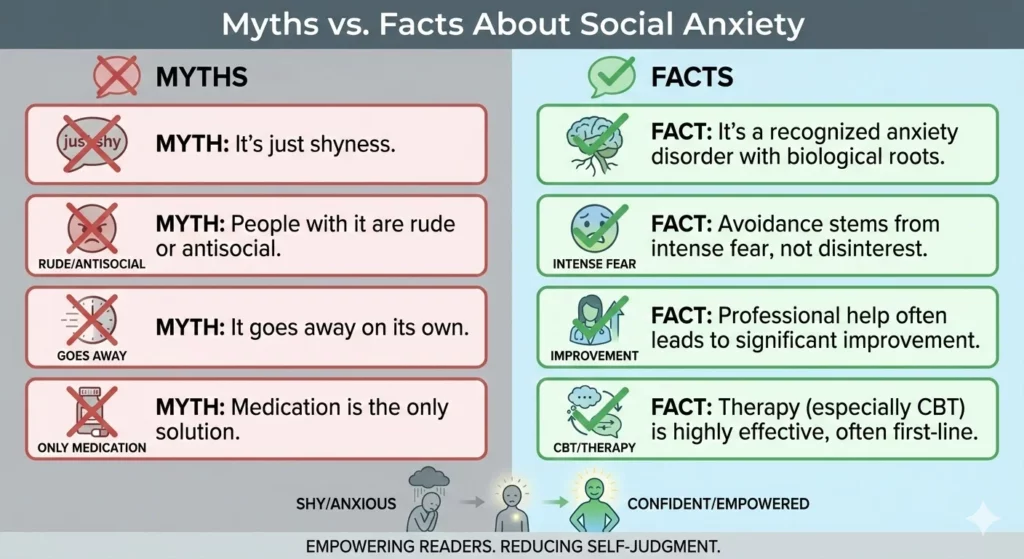
Social anxiety, or social phobia, is a mental health condition marked by a persistent fear of being judged or embarrassed in social situations. People with social anxiety often experience intense worry and discomfort in everyday interactions, making work, school, and relationships challenging.
Common symptoms include excessive self-consciousness, sweating, a rapid heartbeat, and avoiding social situations. Triggers can range from public speaking and meeting new people to performing tasks in front of others, and they affect millions of adults and teens across the United States.
Under the Americans with Disabilities Act (ADA), a disability includes physical or mental health conditions that substantially limit one or more major life activities, such as working, learning, communicating, or interacting with others. Mental health conditions, including anxiety disorders, may qualify when they significantly interfere with daily functioning.
From a clinical perspective, a condition is considered disabling when it causes ongoing symptoms that limit a person’s ability to perform essential activities of daily life. This may include difficulties with employment, education, self-care, or maintaining relationships.
Understanding these definitions helps distinguish between mild social anxiety and more severe cases that cause significant impairment. While not everyone with social anxiety meets the criteria for a disability, individuals with intense, persistent symptoms may qualify for legal protections and accommodations when their condition substantially impacts daily life.
In severe cases, social anxiety can interfere with work, school, or personal care, making everyday tasks extremely challenging. Individuals may struggle to attend meetings, participate in classes, or complete daily responsibilities due to intense fear of judgment or embarrassment. Functional impairment is a key factor in determining whether the condition significantly limits major life activities. Recognizing these limitations is important for accessing support and accommodations.
Under the Americans with Disabilities Act (ADA), social anxiety may qualify for certain accommodations when it substantially affects a person’s ability to function. Examples include modified work schedules, virtual meeting options, or quiet spaces for exams in school. Legal and workplace accommodations are designed to help individuals manage symptoms while maintaining productivity and well-being. Identifying when social anxiety reaches this level ensures appropriate protection and assistance.
Practical Tips:
Daily Self-Care:
Empowerment:
Social anxiety is a condition that can be managed with the right support, tools, and strategies. Seeking help is a sign of strength, not weakness. With therapy, coping techniques, and consistent self-care, individuals can build confidence, improve social interactions, and enhance their overall quality of life. Taking the first step toward professional support can make a meaningful difference in managing social anxiety successfully.

Understanding the Relationship between Control the Substance Abuse with Effective ADHD Treatment ADHD (Attention Deficit Hyperactivity Disorder) has long been known to be associated with
What is Autism Meltdown: Stages, Triggers & How to Support Effectively An autism meltdown isn’t a tantrum or an act of defiance; it’s an overwhelming
Exploring the Human Experience: Schizophrenia Stories In the complex tapestry of human existence, some threads weave stories that challenge our perceptions and understanding. Among the
As a skilled psychiatrist, I specialize in preventing, diagnosing, and treating mental health issues, emotional disorders, and psychotic conditions. Drawing on diagnostic laboratory tests, prescribed medications, and psychotherapeutic interventions, I strive to provide comprehensive and compassionate care for my patients in Frisco and McKinney, Texas, while assessing their biological, psychological, and social components of illnesses. I am committed to helping them achieve healthier and more fulfilling lives through my work.